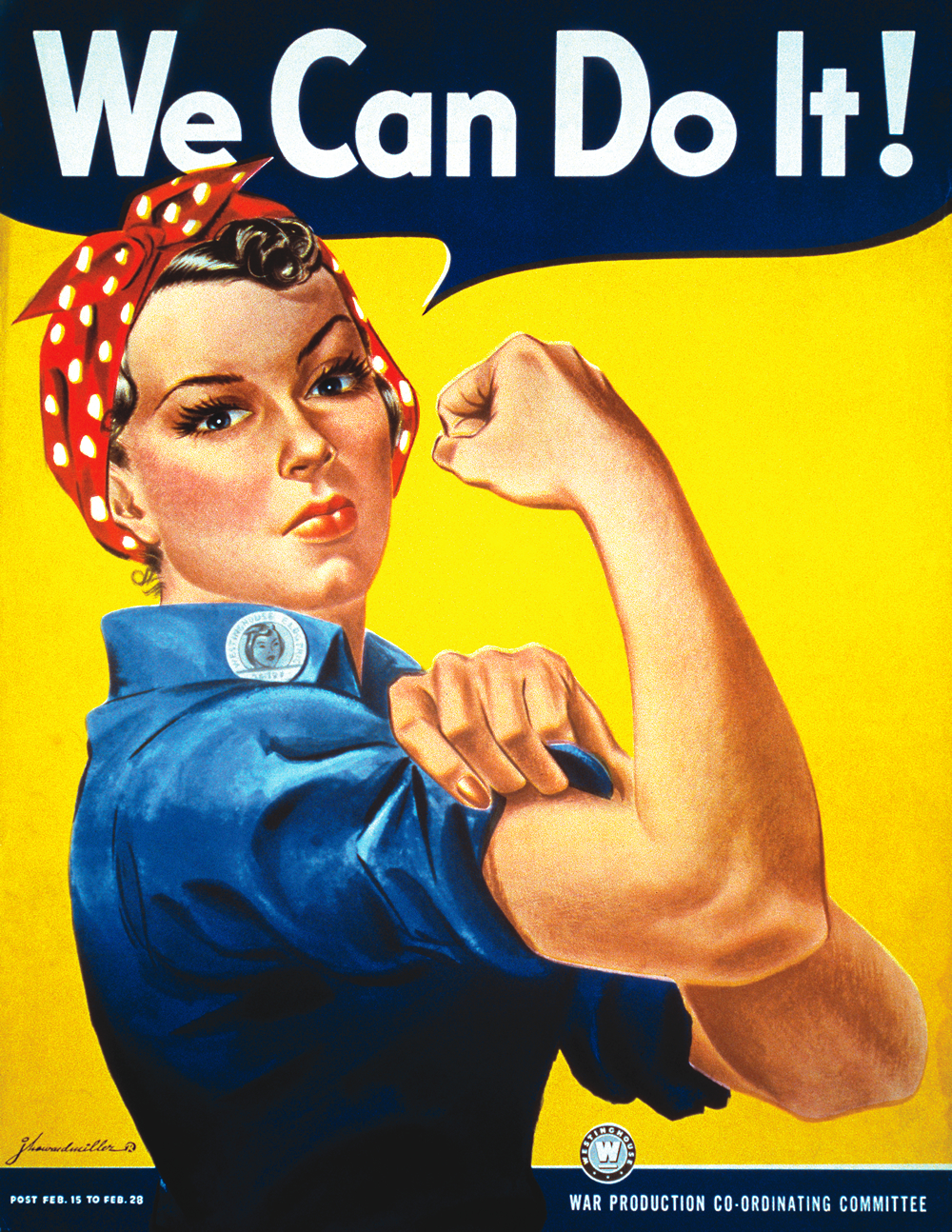
The first wave of feminism didn't really begin until the mid 1800s in the United Kingdom, though it was influenced and inspired by many people long before. The earliest writers about feminism include Simone de Beauvoir, Christine de Pizan, Heinrich Cornelius Agrippa, Anne Bradstreet, and Mary Wollstonecraft, of course. The first organization that fought for women's rights was called Langham Place Circle and it was formed in 1850. Their main ideas involved female rights within employment and education. Later in 1882 the Married Women's Property Act was approved in Parliament and married women maintained control over their property instead of it becoming their husband's. Women were able to vote in 1918. Both of the World Wars helped women gain opportunities to work outside the home and they even gained the same divorce rights as men by 1923.

 |
| Sister Suffragette from Mary Poppins |
While these achievements were obviously wonderful for all women, they would have especially directly affected the characters of Desmond, especially Geraldine. Throughout the entire novel she is the character that I most wanted to see change her situation and help herself. Geraldine was a victim of her time and her circumstances though, and she is forced to be saved by a man and unable to help herself. While in some regards this is positive, I mean she does get saved, if she had gained the rights that the first wave of feminism granted to women, Geraldine wouldn't have had to rely on anyone. She would have been able to divorce Verney, keep her home and find employment outside the home and be a self sustaining mother. To think that only 100 years later her situation could have been so much better is a bit sad.
Geraldine isn't the only character whose life could have been made significantly better by the first wave of feminism. Mrs. Waverly I believe would have had the opportunity to be a better mother in a different time period. While the social customs of marriage were still important in the 1800s, there wasn't nearly as much pressure around the time of the major reforms. If she knew that her daughters had other good options and protections in the world she may have been a more understanding and sympathetic character.
The idea that these characters, along with many others, could have seen such life improvements had the first wave of feminism come sooner is a testament to the entire point of Smith's novel. These situations she created are meant to show the downfalls and short comings of the society she is writing within and maybe even suggesting some serious changes to implement. I believe Smith would have been happy with the first wave of feminism and have seen it as a positive reform that help not only women, but society as a whole.
Links:
This talks about the first wave of feminism in more detail
http://people.howstuffworks.com/feminism2.htm
This one is more about the second wave that began in the 1960s
http://people.howstuffworks.com/feminism4.htm
And finally, this link talks about the new or third wave that's currently happening
http://everydayfeminism.com/2014/01/feminism-now/
Discussion Questions
1. Based on the situations she has created for her characters, do you think Smith would have been satisfied with the changes made by the first wave of feminism or would she have wanted even greater reform?
2. Do you think that the character of Mrs. Waverly is suppose to inspire change? If so, what kind of change is she supposed to show is necessary?
Geraldine isn't the only character whose life could have been made significantly better by the first wave of feminism. Mrs. Waverly I believe would have had the opportunity to be a better mother in a different time period. While the social customs of marriage were still important in the 1800s, there wasn't nearly as much pressure around the time of the major reforms. If she knew that her daughters had other good options and protections in the world she may have been a more understanding and sympathetic character.
The idea that these characters, along with many others, could have seen such life improvements had the first wave of feminism come sooner is a testament to the entire point of Smith's novel. These situations she created are meant to show the downfalls and short comings of the society she is writing within and maybe even suggesting some serious changes to implement. I believe Smith would have been happy with the first wave of feminism and have seen it as a positive reform that help not only women, but society as a whole.
Links:
This talks about the first wave of feminism in more detail
http://people.howstuffworks.com/feminism2.htm
This one is more about the second wave that began in the 1960s
http://people.howstuffworks.com/feminism4.htm
And finally, this link talks about the new or third wave that's currently happening
http://everydayfeminism.com/2014/01/feminism-now/
Discussion Questions
1. Based on the situations she has created for her characters, do you think Smith would have been satisfied with the changes made by the first wave of feminism or would she have wanted even greater reform?
2. Do you think that the character of Mrs. Waverly is suppose to inspire change? If so, what kind of change is she supposed to show is necessary?

No comments:
Post a Comment