Throughout Harrington, the way that Harrington perceives the various Jews he comes into contact with changes. This is important to consider as Harrington develops as a character as he grows into adulthood, since his opinions on Jews goes from very polarized at a very young age, to much more complex as he grows older.
The first Jewish man that Harrington is exposed to is Simon the Jew, who is a poor peddler who comes to his family's estate in the evenings in an attempt to make a living. His nurse, Fowler, in an effort to convince him to behave tells his a story about a Jew who would wait for small children, capture them, and then eat them She continues to tell him stories that make him so fearful that he actually develops a mental and physical aversion to even the mere sight of a Jew. Simon is a reminder of the myth still surrounding Jewish people, even into the early 19th century, that they are somehow related to evil, or are corrupted by magic of sorts. Simon is representative of a mythical stereotype that kept with the Jews, even though the assertions were clearly outlandish.
This early impression is strengthened by Harrington's parents. As we discussed last class, his parents are against the naturalization of Jews in England, because they consider themselves of higher rank in the political, social, and religious spheres. His mother makes him a form of entertainment to her friends, and allows Harrington to indulge in his fright in order to show her friends that he already identifies with their ideology. His sickness is a testament to the perceived evil and lowliness that Jews are thought to bring, as even a child with no knowledge of them can be so put off by their nature. His father, on the other hand, justifies Harrington's "natural" aversion in reason. He feeds Harrington's initial fear by adding his own hatred into Harrington's mix of negative emotions. Much like his parents' reinforcement of a false attitude, the next Jews to appear in Harrington's life are the mobs of peddlers that show up after his mother pays Simon to go away. On both ends, we see the affirmation of a polarized stereotype. The stereotyping and myths surrounding Simon and the other peddlers are representative of Harrington's simplified notion of the Jews as a child.
The hatred instilled in Harrington by his parents towards Jewish people translates in Harrington's schooling, when he comes into contact with Jacob, the son of Simon, who is also a peddler. Harrington, Mowbray, and other "party members" berate Jacob simply because of his Jewishness. He, like his father, also falls into a stereotype. However, after the incident at school with Mowbray, Harrington is able to see the boy in a new light. He is finally able to see Jacob as a human, and to empathize with him, even though it goes against the ideology that he was bred to believe in. This is a massive turning point, and is made even more important following Harrington and Jacob's discussion while on the road to Cambridge. Jacob, once again, offers a new perspective to Harrington. He is educated, and of good morals. Jacob turns Harrington into a more understanding person, especially after revealing that he is the son of Simon, a man that Harrington had associate with fear and disgust. Yet, Jacob was an upstanding young man. He begins to shatter the preconceived ideas that Harrington had surrounding the Jews.
Harrington respects Jacob enough to read the magazine that he lends him, telling the story of Mendelssohn, a well respected philosopher, which is eye opening. He even agrees to meet Israel Lyons, who is another man that completely goes against the image of the Jew that Harrington knew and believed to be true at such a young age. Israel had a "lively disposition" and was "genius," and completely shocked Harrington. He provides the counter to his father's reason. Israel's reason comes from a point of understanding and knowledge, whereas his father's came from blind ignorance. Harrington, as an educated young man, is better able to understand the position that the Jews are in.
This leads to Montenero, who completely flips Harrington's perception of the Jews in relation to Christianity. Upon discussing the role of Shylock in Shakespeare's The Merchant of Venice, he allows a completely new perspective on the stereotype so often used against Jews with a negative connotation. Montenero draws light on the portrayal of Shylock, saying that it was the Christian who demanded the retribution, as so often the Jews are portrayed. Montenero is the final character in Harrington's development who completely reverses his idea surrounding the Jews, and is the person who allows Harrington to see his moral folly with believing in the sickness surrounding learned prejudice.
Here is the scene from The Merchant of Venice that the two are discussing.
Discussion Questions:
Why do you think Edgeworth takes Harrington's character down the developmental path that she does? What boundary does each character aid in breaking in regards to Harrington's preconceived ideas surrounding the Jews?
What effect does each character have in shaping a new identity regarding Jewishness? Why does Edgeworth choose to use a non-Jewish person to shape this identity?
This is the class blog for English 445: Topics in Romanticism. In this class, we will be reading women writers from the British Romantic period.
Wednesday, March 25, 2015
Tuesday, March 24, 2015
Prejudice and Domestic Upbringing in Harrington
Maria Edgeworth's 1817 novel Harrington provides us with a surprisingly modern look at how racial and religious prejudices are passed down through the generations. This text is somewhat different from what we have read previously this semester, as instead of being told from the perspective of the radical or the minority, the novel is told from the perspective of the privileged and prejudiced white Englishman Harrington who must learn to overcome his deep-seated preconceptions. While Harrington does display racial biases towards Jewish people and participate in their ridicule, the novel invites us to sympathize with Harrington and view his prejudices as the consequences of being raised by problematic and equally ignorant caregivers. Harrington's childhood story reveals not only the racial dilemmas of England in the 18th and 19th centuries but also its more nuclear issues as well. By being divvied up between his maid Fowler, his mother, and his father throughout the early years of his life, Harrington has no proper sense of family or unity, naturally seeming to lead to his unfavorable attitude towards Jews. Thus while the novel is primarily concerned with overcoming racial animosities, it makes clear that these issues arise from the wrongful upbringing of the nation's children.
We see quite early on how Harrington is both made to believe that Jewish people are subhuman and largely ignored by the adults in his life. The first paragraph shows Harrington standing on a balcony with his maid-servant while looking down at a man on the street. Fascinated, and being disregarded by his maid, Harrington concludes that the man has "a good natured countenance" (1). This feeling quickly turns to fear and terror as his maid threatens to call Simon the Jew up should he not go to bed. Realizing that her tactic has worked, the desperate maid continues to tell stories of Jews who steal and sacrifice small children. Harrington notes that "the less [he] understood, the more [he] believed" (2). What is particularly interesting about this is the relationship between Fowler and Harrington and the power she has over him. Being from a rather wealthy family, Harrington is often in the hands of his maid and seems to be around her more often than his actual parents. Her power over him is seemingly absolute, and yet she is still under the authority of the boy's mother, forcing Harrington to keep her tales a secret. He describes this as the "moment [he] became her slave, and her victim," (3) as he develops extreme anxiety and fear if she is not by his side. It becomes clear that Fowler is overwhelmed by her responsibilities to the boy, asking permission to transfer over to nursery-maid for a much younger child of a different family. While Fowler uses her stories to keep Harrington in line, they ultimately produce deep psychological traumas and the inability to ever reveal the source of his fear.
Harrington's mother, who is always concerned about his health but never about his well-being, instills in him feminine values that are later denounced by his father. Most of Harrington's issues seem to have been kept from his mother, as she only finds out about his fear of Jews when his nightly screaming wakes her up. She confirms what Fowler had led Harrington to believe, getting upset that she should let him see "such a sort of a person," (4) and finally paying Simon the Jew and the other 'Jewish' beggars to leave Harrington alone, a plan that fails disastrously and terrifies the boy all the more. The novel seems to want to compare Harrington with his mother, "a woman of weak health, delicate nerves, and a kind of morbid sensibility" (5). His fears and her coddling impart in him a type of feminine anxiety that is observed and gawked at by his mother's acquaintances. When he meets Simon the Jew again Harrington's laugh is "hysterical," and this fear is soon perceived to be a "positively natural antipathy to the sight or bare idea of a Jew" (6). While Harrington is around "grown-up wise people" for the first time, public interest soon wears down and his mother, under advise from her physician, keeps away from the house and begins to attend parties each night. Once surrounded by the genteel for his feminine nerves, even his house staff ignore him now and find him "vapoursome-ish and tiresome," leaving him confused, "unpitied and alone" (7).
Harrington's father, who previously had very little involvement with his son, soon believes he "should be taken out of the hands of the women," and laughs "at the whole female doctrine...of sympathies and antipathies" (10). Worried that the women are making a "Miss Molly of his boy," and commenting that "the Jews were all rascals," (10) his father assembles a team to uproot the Jews in the area, forcing them to either flee the parish or be locked up in roundhouses, asylums, workhouses, or penitentiaries. This violent action taken by his father leads to Harrington obtaining some 'manly ideas,' and he recalls how his "father made [him] ashamed of that nervous sensibility of which [he] had before been vain" (11). For Harrington, each stage of his life undermines the stage before, and the only piece of continuity seems to be his feelings toward the Jews, whom he begins to view with pain, embarrassment, and eventually contempt. By separating his upbringing into these piecemeal stages, Harrington grows up with a conflicting sense of identity and a distaste for community and integration.
As evident by our own country's racial issues as of late, preconceived biases and violence are unfortunately still a problem among the seemingly civilized parts of the world. Here are the results of a poll recently reported by The Guardian, which found that almost half of Britons still hold antisemitic views.
Discussion Questions:
1) How do Maria Edgeworth's characterizations of Harrington's parents and division of parental responsibilities affect Harrington's fear and contempt for Jewish people?
2) While Edgeworth creates ineffectual parents, it is clear she does not condone their parental style herself. How do you think Edgeworth's ideas about gender and parenting would line up with those of Mary Wollstonecraft?
We see quite early on how Harrington is both made to believe that Jewish people are subhuman and largely ignored by the adults in his life. The first paragraph shows Harrington standing on a balcony with his maid-servant while looking down at a man on the street. Fascinated, and being disregarded by his maid, Harrington concludes that the man has "a good natured countenance" (1). This feeling quickly turns to fear and terror as his maid threatens to call Simon the Jew up should he not go to bed. Realizing that her tactic has worked, the desperate maid continues to tell stories of Jews who steal and sacrifice small children. Harrington notes that "the less [he] understood, the more [he] believed" (2). What is particularly interesting about this is the relationship between Fowler and Harrington and the power she has over him. Being from a rather wealthy family, Harrington is often in the hands of his maid and seems to be around her more often than his actual parents. Her power over him is seemingly absolute, and yet she is still under the authority of the boy's mother, forcing Harrington to keep her tales a secret. He describes this as the "moment [he] became her slave, and her victim," (3) as he develops extreme anxiety and fear if she is not by his side. It becomes clear that Fowler is overwhelmed by her responsibilities to the boy, asking permission to transfer over to nursery-maid for a much younger child of a different family. While Fowler uses her stories to keep Harrington in line, they ultimately produce deep psychological traumas and the inability to ever reveal the source of his fear.
Harrington's mother, who is always concerned about his health but never about his well-being, instills in him feminine values that are later denounced by his father. Most of Harrington's issues seem to have been kept from his mother, as she only finds out about his fear of Jews when his nightly screaming wakes her up. She confirms what Fowler had led Harrington to believe, getting upset that she should let him see "such a sort of a person," (4) and finally paying Simon the Jew and the other 'Jewish' beggars to leave Harrington alone, a plan that fails disastrously and terrifies the boy all the more. The novel seems to want to compare Harrington with his mother, "a woman of weak health, delicate nerves, and a kind of morbid sensibility" (5). His fears and her coddling impart in him a type of feminine anxiety that is observed and gawked at by his mother's acquaintances. When he meets Simon the Jew again Harrington's laugh is "hysterical," and this fear is soon perceived to be a "positively natural antipathy to the sight or bare idea of a Jew" (6). While Harrington is around "grown-up wise people" for the first time, public interest soon wears down and his mother, under advise from her physician, keeps away from the house and begins to attend parties each night. Once surrounded by the genteel for his feminine nerves, even his house staff ignore him now and find him "vapoursome-ish and tiresome," leaving him confused, "unpitied and alone" (7).
Harrington's father, who previously had very little involvement with his son, soon believes he "should be taken out of the hands of the women," and laughs "at the whole female doctrine...of sympathies and antipathies" (10). Worried that the women are making a "Miss Molly of his boy," and commenting that "the Jews were all rascals," (10) his father assembles a team to uproot the Jews in the area, forcing them to either flee the parish or be locked up in roundhouses, asylums, workhouses, or penitentiaries. This violent action taken by his father leads to Harrington obtaining some 'manly ideas,' and he recalls how his "father made [him] ashamed of that nervous sensibility of which [he] had before been vain" (11). For Harrington, each stage of his life undermines the stage before, and the only piece of continuity seems to be his feelings toward the Jews, whom he begins to view with pain, embarrassment, and eventually contempt. By separating his upbringing into these piecemeal stages, Harrington grows up with a conflicting sense of identity and a distaste for community and integration.
As evident by our own country's racial issues as of late, preconceived biases and violence are unfortunately still a problem among the seemingly civilized parts of the world. Here are the results of a poll recently reported by The Guardian, which found that almost half of Britons still hold antisemitic views.
Discussion Questions:
1) How do Maria Edgeworth's characterizations of Harrington's parents and division of parental responsibilities affect Harrington's fear and contempt for Jewish people?
2) While Edgeworth creates ineffectual parents, it is clear she does not condone their parental style herself. How do you think Edgeworth's ideas about gender and parenting would line up with those of Mary Wollstonecraft?
Wednesday, March 11, 2015
Slave Trade and Colonialism
Helen Maria Williams' poetry seeks to unpack many of the social justice issues of the period she was writing in. Peru tells the cautionary tale of colonialism through the eyes of those being colonized and A Poem on the Bill Lately Passed for Regulating the Slave Trade was written a year after a committee was formed to organize against slavery. In Peru, she focuses on Spanish colonialism. She told the tale of the Incan people in such a way that supported her stance. Firstly, she wanted to take the reader on a journey. She wanted it to be an adventure. She described Peruvia as a lush world of vibrant colors filled with beautiful plants and wildlife. This description of Peru draws upon a prelapsarian notion. Peru was beautiful and perfect until the Spanish came and destroyed it just like Eden was perfect before the fall. Secondly, she rewrote history to justify her stance against colonialism. She left out key facts about the scientific advances the Inca made and their militaristic society. They were not as naive as Williams made them out to be, but had she included all of that information, the Peruvians would have been less sympathetic characters. She rewrote history to justify her stance against colonialism.
It is easier to critique an institution that her own country takes part in when she uses an example that is not British. By relating the story of the Spanish colonizing the Inca, her readers have an easier time empathizing with the Inca. When she removes the British Crown from her critique, it is a much more palatable truth for the reader to digest. They are not blinded by their loyalty to their country. As an extension of her critique of Spanish colonization she is actually critiquing an institution that is happening within her own society. She also seeks to examine another institution that was happening during her life time: slave trade. During her lifetime, she would see the abolition of slavery, but she would never see the end to colonization. England abolished the slave trade in 1807, but living in a British colony was a different type of slavery. They abolished one form of slavery only to cling harder onto the institution that Williams wanted to dismantle more than anything--colonialism. It is the exact institution that HMW sought to reform with Peru.
Williams wrote A Poem on the Bill Lately Passed for Regulating the Slave Trade in 1788. That was almost 200 years after the British colonized India. The idea of colonization was so engrained in British society that it was championed as what should happen. After her death, from 1858 to 1947, it was considered a period of luxury and excess for the British citizens living in India, but not so much for the natives. She worked so hard to change the thinking of the time period, but she didn't effect much change. The need to spread cultural values that Barbauld wrote about in Eighteen Hundred and Eleven seemes to fuel the colonial mindset even after everything the HMW wrote. The British traded one form of slavery for another believing that colonizing the "savages" was actually bringing the native peoples enlightenment, but what we know from the history of the Inca, even though Williams left out these parts in her depictions of the natives in Peru, the native peoples didn't actually need the help of the colonizers. The Dutch, Spanish, and British generally only brought death and destruction.
Here is a link to an article of a bunch of pictures that were taken in India during the British Raj. It's a more modern look on the effect of colonization in a contemporary world.
In the world after Helen Maria Williams' death, the institutions that she wrote about were still intact. Do you think she would have been happy with the progress the world has made with colonization, or do you think she would still call for more reform? Why or why not?
Williams saw the abolition of slavery during her lifetime, but never saw the end to imperialism and colonization. In the modern world, do we still grapple with any type of colonization or have the changes Williams called for been made? Why?
![]() |
| Pizarro with the Inca |
![]() |
| Photograph of the Punjab Lieutenant Governor |
Here is a link to an article of a bunch of pictures that were taken in India during the British Raj. It's a more modern look on the effect of colonization in a contemporary world.
In the world after Helen Maria Williams' death, the institutions that she wrote about were still intact. Do you think she would have been happy with the progress the world has made with colonization, or do you think she would still call for more reform? Why or why not?
Williams saw the abolition of slavery during her lifetime, but never saw the end to imperialism and colonization. In the modern world, do we still grapple with any type of colonization or have the changes Williams called for been made? Why?
Peruvian Tales as an Atonement
Thirty nine years after Helen Maria Williams published the poem Peru she returned to it and made rather extensive edits and republished the work as the Peruvian Tales, which was tactful in differences that had been made. Williams had learned even more about the actual statistical science of Peru after translating Alexander von Humboldt's Personal Narratives of Travels to the Equinoctial Regions. It gave her better insight than the previous histories she read and she felt the need to correct misconceptions that she had written about in Peru. In addition, von Humboldt's work that she translated was later blamed for much of the frenzy surrounding the idea of the profits that could be made from mining in South America. So for Williams, Peruvian Tales was not only a correction of the facts that she got wrong the first time, but it was also trying to distance herself from "the wave of late-colonial publications of the 1820s that thematized European expansionist projects in their writings" (Damian).
It is also important to note the political shift that Williams personally experienced in the period between the publishing of Peru and Peruvian Tales. During the time of Peru being published, Williams was more liberal. This publication also coincided with the Peruvian revolution led by Tupac Amaru, which Williams supported openly, but also rather clearly through her writing. She felt that people of Peru should be able to take some of the main principles from the French Revolution and apply them to their own lives and create positive change. By the time that the Peruvian Tales were published, Williams had become far less liberal, in part because she and her family had been imprisoned during the Reign of Terror. After that experience Williams became far less interested in supporting dissent, which is evident in her edit of Peru.
The edits of Peru were mainly focused on removing the bulk of the descriptions of the landscape, which she had previously written in such a way that it inspired anger towards the Spanish and supported the idea of revolution. As Damian points out, Williams used the earth in a way that was symbolic of a suffering human body by having "tears, sighs, groans, and moans, all palpable corollaries of its altered state, foreshadow the enslavement of the landscape" and later she uses less of these kinds of descriptions. In addition, Williams really stressed the idea that her poem was a story, not the reality of the situation. She does this by calling it a Peruvian "Tales" instead of just Peru, which seems to assert that everything in her poem was true. Additionally, Williams focuses much more on human interactions rather than descriptions because the land was what was being exploited and it seems that she felt somewhat responsible for this exploitation. The more the Western people became interested in South America, the more exploitation it saw. It seems that Peruvian Tales was a way to try and pacify conflicts and to make South America seem less desirable to the people who wanted to go mine it and take the natural resources.
Discussion Questions
1. Why do you think Williams focused Peruvian Tales less on the landscape scenes than Peru?
2. Do you think Peruvian Tales is successful at making a person look differently at South America and colonialism than Peru did?
It is also important to note the political shift that Williams personally experienced in the period between the publishing of Peru and Peruvian Tales. During the time of Peru being published, Williams was more liberal. This publication also coincided with the Peruvian revolution led by Tupac Amaru, which Williams supported openly, but also rather clearly through her writing. She felt that people of Peru should be able to take some of the main principles from the French Revolution and apply them to their own lives and create positive change. By the time that the Peruvian Tales were published, Williams had become far less liberal, in part because she and her family had been imprisoned during the Reign of Terror. After that experience Williams became far less interested in supporting dissent, which is evident in her edit of Peru.
| Beginning of the Reign of Terror |
Discussion Questions
1. Why do you think Williams focused Peruvian Tales less on the landscape scenes than Peru?
2. Do you think Peruvian Tales is successful at making a person look differently at South America and colonialism than Peru did?
Turning to Tales
The common cliche that hindsight is 20/20 is very applicable to Williams' writing of Peruvian Tales after waiting until 1823 to release her revisions of her original epic poem, it is important to analyze the differences and similarities among the versions. Between Peru and Peruvian Tales there were historical moments for South America as well as the imperialist powers. When circumstances change, the way literature is written changes along with its interpretation. I plan to examine Canto I and Alzira Tale I in the changes that were made to describing Peru and its inhabitants from the first poem to its revisions.
By naming the tale after Alzira, HMW has already established that Alzira's role in this tale is the most severe just as she writes the rest of the tales with female characters in the title. As a character, Alzira may not seem imperative, but she gives a face to the usual woman of Peru and provides insight into what the women of both times looked like. In Peru, the first canto gives the reader an idea of the beauty within Peru and all that it offers its blissful race. Discussing the "lib'ral ray of mercy, lovelier than the smile of day," leaves the reader to have a picturesque image of the society as the perfect place for a race of people and sets it up to be thought of as the victim in whatever happens to this nation (61-62). Moving through the poem, Alzira is defined as the apple of Ataliba's eye with all the right traits of a woman in any culture with tenderness and charm. As the epic poem continues, Alzira makes the ultimate sacrifice and is left to give any reader a guilt in her death and the loss of herself as the Spanish break into her culture and take everything from her - the love of her life. However, with this first write of the poem, things are left to interpretation. It can be seen by the British audience that although Alzira is a lovely character and has all of the positive images given to her, she chose her fate and there is not a direct fault for the imperialists.

In her second write as Peruvian Tales, HMW does not leave the fault of the imperialists to interpretation. One large change that Williams makes that seems minor has a large impact on the reading of the first tale, "A selfish purpose, or a thought untrue;/ not as on Europe's shore, where wealth and pride,/ From mourning love the venal breast divide..." (39-44). The author is taking the time to add her opinions on Europe and what is assumed the imperialist powers. Peru's society is mirrored in Alzira's characteristics, loving and charming with natural resources just as Alzira is filled with new life and love for her future family and present husband. Europe directly refutes these images being concerned mainly with the monetary value of wealth and pride of meaningless things like social constructs or advantages to the individual instead of a collective society. Europe expects to improve Peru and take their resources for personal gains. Their purposes are always selfish and ultimately revolve around the single advantage of the conquistadors and as we read through the poem the countries cannot even function adequately to take the area over. These four lines are bringing the reader a definite idea of how Europe operates in the eyes of the Peruvians and makes clear what its priorities are. The female character that kills herself rather than be conquered represents the female Peruvian without any selfish purpose or thought untrue as she is bringing herself to be with the love of her life rather than to live in the land that those concerned with wealth have taken as their own.

The world of Peru is described as blissful and efficient. Before Spain comes to the shore and creates any issues, the author makes a compelling argument that this is an independent civilization that has no problem thriving in its area and creating a government that appears to be working. With the revisions, there is no doubt that Europe is a selfish place with a lack of real priority or a well-established society.While focusing on the reputations and elements of society in Peruvian Tales more so, HMW also removes a lot of the Edenic imagery and leaves less nature descriptions in the poem. Through these changes the author provides less background of the resources and landscape, but more ideas linked to imperialism. These ideas may have been more appropriate in the shift to tales and the end of the French Revolution.
When thinking about this blog, I looked at articles that would give me a better sense of Britain after the French Revolution, and found information that made it easier to understand its effects on life and government, you can read it here.
Questions:
1) Why does HMW remove some of the nature landscapes from Canto I to insert thoughts of European society, and is this an effective revision?
2) Are the revisions cohesive with sounding less radical? Is it the change in writing or the change in circumstance that effects this?
By naming the tale after Alzira, HMW has already established that Alzira's role in this tale is the most severe just as she writes the rest of the tales with female characters in the title. As a character, Alzira may not seem imperative, but she gives a face to the usual woman of Peru and provides insight into what the women of both times looked like. In Peru, the first canto gives the reader an idea of the beauty within Peru and all that it offers its blissful race. Discussing the "lib'ral ray of mercy, lovelier than the smile of day," leaves the reader to have a picturesque image of the society as the perfect place for a race of people and sets it up to be thought of as the victim in whatever happens to this nation (61-62). Moving through the poem, Alzira is defined as the apple of Ataliba's eye with all the right traits of a woman in any culture with tenderness and charm. As the epic poem continues, Alzira makes the ultimate sacrifice and is left to give any reader a guilt in her death and the loss of herself as the Spanish break into her culture and take everything from her - the love of her life. However, with this first write of the poem, things are left to interpretation. It can be seen by the British audience that although Alzira is a lovely character and has all of the positive images given to her, she chose her fate and there is not a direct fault for the imperialists.
In her second write as Peruvian Tales, HMW does not leave the fault of the imperialists to interpretation. One large change that Williams makes that seems minor has a large impact on the reading of the first tale, "A selfish purpose, or a thought untrue;/ not as on Europe's shore, where wealth and pride,/ From mourning love the venal breast divide..." (39-44). The author is taking the time to add her opinions on Europe and what is assumed the imperialist powers. Peru's society is mirrored in Alzira's characteristics, loving and charming with natural resources just as Alzira is filled with new life and love for her future family and present husband. Europe directly refutes these images being concerned mainly with the monetary value of wealth and pride of meaningless things like social constructs or advantages to the individual instead of a collective society. Europe expects to improve Peru and take their resources for personal gains. Their purposes are always selfish and ultimately revolve around the single advantage of the conquistadors and as we read through the poem the countries cannot even function adequately to take the area over. These four lines are bringing the reader a definite idea of how Europe operates in the eyes of the Peruvians and makes clear what its priorities are. The female character that kills herself rather than be conquered represents the female Peruvian without any selfish purpose or thought untrue as she is bringing herself to be with the love of her life rather than to live in the land that those concerned with wealth have taken as their own.
The world of Peru is described as blissful and efficient. Before Spain comes to the shore and creates any issues, the author makes a compelling argument that this is an independent civilization that has no problem thriving in its area and creating a government that appears to be working. With the revisions, there is no doubt that Europe is a selfish place with a lack of real priority or a well-established society.While focusing on the reputations and elements of society in Peruvian Tales more so, HMW also removes a lot of the Edenic imagery and leaves less nature descriptions in the poem. Through these changes the author provides less background of the resources and landscape, but more ideas linked to imperialism. These ideas may have been more appropriate in the shift to tales and the end of the French Revolution.
When thinking about this blog, I looked at articles that would give me a better sense of Britain after the French Revolution, and found information that made it easier to understand its effects on life and government, you can read it here.
Questions:
1) Why does HMW remove some of the nature landscapes from Canto I to insert thoughts of European society, and is this an effective revision?
2) Are the revisions cohesive with sounding less radical? Is it the change in writing or the change in circumstance that effects this?
Tuesday, March 10, 2015
The Fifth Canto of Aciloe
There is a focus in canto five of Peru on Aciloe. In fact, the entire canto revolves around Aciloe in some way. The canto starts off with a character description of Zamor and his love of Aciloe, goes into Aciloe describing her sire and his ruling of the tribe, and then a tender moment between Aciloe and Zamor being ruined by the invasion of the Spanish. The rest of the canto follows directly alongside Aciloe as she struggles with her father's torture, the "death" of and the reunion with her lover, and Aciloe's, Zamor's, and her father's freedom from Alphonso. Then Jessica Damian accounts in her article "Helen Maria William's Personal Narrative of Travels from Peru (1784) to Peruvian Tales (1823)" that Helen Maria William's added subheadings to her cantos "privileging the gendered perspective of its female protagonists," such as Aciloe being the subheading of canto five (10, paragraph 25). This focus on Aciloe in canto five is HMW's way of keeping a character with "British" attributes at the forefront of the audience's mind in the canto and creating a character with which a British audience can sympathize. HMW further humanizes the Peruvians in canto five through this focus on Aciloe by making Aciloe a character that a British audience can easily relate to.
When Zamor's love for Aciloe is being described, we begin to see the beginning of the attributes most favored in British society. Zamor's love is founded by "Aciloe's beauties his fond eye confest,/Yet more Aciloe's virtues warm'd his breast" (Peru 25-26). Physical beauty and virtues are attributes we have seen throughout the class, especially talked about by Wollstonecraft, and are ideal attributes for a "British" woman to have, as seen in Desmond. In fact, Aciloe's virtue is what makes Alphonso ultimately fall for her after her beauty catches his attention during the lines "Yet, as he gaz'd enraptur'd on her form,/Her virtues awe the heart her beauties warm;" (113-114). Her "snowy" white skin, while a true common physical attribute of Inca people (see article), is another ideal attribute for Aciloe as pale skin signified a high social standing in European societies (98). The fact that HMW made a point to include this in her epic poem further pushes the British ideals and makes Aciloe a more relatable character to a British audience.
Another way that HMW makes Aciloe a more relatable character to the British audience that they can sympathize with is when she has Aciloe lament over the "death" of Zamor and talk about killing herself. Like in the last class, we discussed that the act of killing yourself over a lover is one that was famous due to a slave narrative where a female slave, promised marriage with a wealthy European male, stabs herself in the heart upon entering England and finding out the man now owns her and will not marry her. We specifically linked this occurrence with Alzira stabbing herself in the heart over Atiliba's (her husband's) death. This occurrence is echoed again when Aciloe speaks of killing herself over Zamor's "death" in the lines "Death shall for ever, seal the nuptial tie,/The heart belov'd by thee is fix'd to die" (193-194). By echoing a previous scene that's nearly the carbon copy of an already famous one, HMW draws the British audience in even more with a familiar tale of woe brought on by colonization. The reason that Aciloe's talk of suicide over a lover would make her more relatable is because it is a familiar concept to the British audience.
This long article talks about the lost civilizations of the Andes, specifically the Incas and Pizarro's conquest of them. It really helped clear a few things up for me (A.K.A. misconceptions I had), like Incas actually having incredibly pale skin and characteristics very similar to Europeans (towards the end of section 3 "Transoceanic contacts"). If you read/skim it, focus on the first and third sections, which clear up the most misconceptions I had about the Incas.
Discussion Questions
![]() |
| "Alphonso and Aciloe" |
![]() |
| A Peruvian Inca mummy (c. 14th-15th cent.) with natural blond hair and fair skin. |
Another way that HMW makes Aciloe a more relatable character to the British audience that they can sympathize with is when she has Aciloe lament over the "death" of Zamor and talk about killing herself. Like in the last class, we discussed that the act of killing yourself over a lover is one that was famous due to a slave narrative where a female slave, promised marriage with a wealthy European male, stabs herself in the heart upon entering England and finding out the man now owns her and will not marry her. We specifically linked this occurrence with Alzira stabbing herself in the heart over Atiliba's (her husband's) death. This occurrence is echoed again when Aciloe speaks of killing herself over Zamor's "death" in the lines "Death shall for ever, seal the nuptial tie,/The heart belov'd by thee is fix'd to die" (193-194). By echoing a previous scene that's nearly the carbon copy of an already famous one, HMW draws the British audience in even more with a familiar tale of woe brought on by colonization. The reason that Aciloe's talk of suicide over a lover would make her more relatable is because it is a familiar concept to the British audience.
This long article talks about the lost civilizations of the Andes, specifically the Incas and Pizarro's conquest of them. It really helped clear a few things up for me (A.K.A. misconceptions I had), like Incas actually having incredibly pale skin and characteristics very similar to Europeans (towards the end of section 3 "Transoceanic contacts"). If you read/skim it, focus on the first and third sections, which clear up the most misconceptions I had about the Incas.
Discussion Questions
- Why do you think that HMW focuses the fifth canto on Aciloe? How do the "British" attributes shown in Aciloe affect the influence the canto has?
- How, if at all, does HMW's edited subheadings to "privelege" a "gendered perspective" help or hinder her work as a whole?
The Sixth Canto
Of the revisions made by Helen Maria Williams between "Peru" and "Peruvian Tales," the sixth Canto, titled "Cora" underwent the most change. For the most part, the types of lines that were removed by HMW pertain to character descriptions and scenery. Most of the excisions made were similar to lines 117-120, wherein she describes birds singing and the beauty of the atmosphere. While these lines add to the atmosphere of the story, they aren't exactly necessary. However, some of the lines, like those from 215-232, provide a great deal of insight into both Williams and the characters she's writing about. In these lines, Williams is going into deeper detail regarding Cora's "sensibility." It's hard to say what kind of effect the removal of these lines had on the poem as a whole.
What's more interesting is HMW's decision to remove the lines that focused on the descriptions of characters, particularly Pizarro and Capac. For instance, lines 177-180 in "Peru:" "But vainly from his lips these accents part, Nor move Pizarro's cold, relentless heart, That never trembled to the suff'rer's sigh" have been removed for "Peruvian Tales." Considering the important role that Pizarro plays as the primary antagonist, it is interesting that HMW would choose to leave this description out.
In terms of Capac, HMW cuts several lines describing his emotional state. Lines 3-6 of "Peru," wherein Capac's "anxious woe" have been cut. The four lines that described Capac's emotional turmoil from lines 31-34 have been edited down to only two lines. Furthermore, around lines 110 of "Peruvian Tales" HMW forgoes calling Capac "wretched" when he looks at his child.
Questions:
1) Why did HMW choose to revise her descriptions of Capac and Pizarro?
2) How did her revisions reflect changing opinions?
What's more interesting is HMW's decision to remove the lines that focused on the descriptions of characters, particularly Pizarro and Capac. For instance, lines 177-180 in "Peru:" "But vainly from his lips these accents part, Nor move Pizarro's cold, relentless heart, That never trembled to the suff'rer's sigh" have been removed for "Peruvian Tales." Considering the important role that Pizarro plays as the primary antagonist, it is interesting that HMW would choose to leave this description out.
In terms of Capac, HMW cuts several lines describing his emotional state. Lines 3-6 of "Peru," wherein Capac's "anxious woe" have been cut. The four lines that described Capac's emotional turmoil from lines 31-34 have been edited down to only two lines. Furthermore, around lines 110 of "Peruvian Tales" HMW forgoes calling Capac "wretched" when he looks at his child.
Questions:
1) Why did HMW choose to revise her descriptions of Capac and Pizarro?
2) How did her revisions reflect changing opinions?
Thursday, March 5, 2015
Helen Maria Williams' manipulation of history
The first instance is found on page 59, in these lines she describes Ataliba and his interaction with the bible, stating "He dropp'd the hallowe'd volume from his hands./Sudden, while zeal each breast inspires" (24-25). She frames the historical interaction as one in which Ataliba is so amazed by the bible and the religious enlightenment he received that he could not even hold on to the book. Yet, it is revealed in the footnote that not only was Ataliba not impressed by the bible, and not only did he drop it to the ground on purpose, but threw it, with "disdain" stating "This is silent; it tells me nothing" (59).
The next instance is found on the following page. This time HMW adds a female character, lover to Ataliba, that is not found in the Robertson history book. Alzira is her name, and though her name is not in the history book, it does happen to be the name of a town in Spain. Alzira is mentioned in the lines that read "Soon Alzira felt affliction's dart/ Pierce her soft soul, and rend her bleeding heart"(51-52). The rest of the poem is devoted to her and the pain she experiences due to Ataliba's capture. The canto ends with and almost Romeo and Juliet like ending where she plunges a dagger into her breast after Ataliba has been killed, which calls into question the final slant on history HMW applies to her second canto.
The last twist on history that HMW spins is the death of Ataliba. HMW spins a heart wrenching story of the nearly immediate death of the Inca's ruler meanwhile he was held for ransom for some time. HMW's tale of his death works to further tarnish the already blackened character of the Spanish. Not only did they terrorize and kill the people, but they took their leader and killed him before anything could be done. It was like adding salt to a wound.HMW's used her manipulation of history to support her own agenda; each change with its own effect on the implications of history.
Link to a this day in history article about the capture of Ataliba (Athualpa).
Though her changes seem to effectively support her poem, how might/ in what ways does HMW's manipulation of history either strengthen of weaken her work?
What is the effect of adding Alzira to the poem?
Monday, March 2, 2015
Romanticism and the Relation to Conquest
Helen Maria William's poem Peru, written in six cantos, tells the tale of Spanish conquest in a Utopian-like Peru during the 16th century. Williams, writing at the end of the 18th century, was a known opposer of war, an avid supporter of abolition, and aligned herself as a sensible female (Duquette). She wrote Peru in 1784, which is a testament to the dangers that European war and conquest bring about to native peoples, cultures, and environments.
However, William's writing style is unique. Not only is she writing about a controversial topic, she is doing so within the style of the Romantic canon. We saw within Barbauld's poem Eighteen Hundred and Eleven the discussion of the trials and tribulations that come with war, such as the ousting of culture. However, Barbauld does so in an epic and cryptic form, asking her reads to consider not physical imperialism of foreign lands, but rather intellectual imperialism. Similarly, Williams also advocates against war, but does so in keeping with Romanticism.
She begins Canto I by describing, at great length, the beauty that makes up Peru, appealing to every sense with imagery. She makes the setting seem like a Utopia, filled with colors, animals, a lack of disease, and warmth. Ataliba and Alzira are described as star-crossed lovers, who are "Pure and gen'rous," "gentle," and "peaceful" (lines 63-73). Here, Williams keeps in line with the love and appreciation for nature that surrounded the Romantic period. She also uses these descriptions as a device to evoke emotion for the Peruvian natives as innocent victims to the threat of imperialism. Before the love story even goes awry, William's "Advertisement" that prefaces her poem tells that she is making these descriptions up, but that the action should be taken as the story of a slaughter of innocent people. However, Williams must know that by describing at great length the description of the land and the people that she intends to incite sympathy for the Peruvians. After all, that was the aim of Romantic authors.
![]() |
| Engraving by Theodor de Bry of the Spanish conquest, 16th century |
However, Williams is unique in her manipulation of the subject matter. Williams chooses to set her story over 200 years earlier than when she is writing, when the Spanish were at the height of their imperialistic ventures. This was interesting of Williams to do, since both the English and the French were the imperialistic threats during her time of writing. Though it is almost identical to Barbauld's idea of imperialistic conquest in Eighteen Hundred and Eleven, Williams' Romantic writing style truly does fall in line with Romanticism. She appeals to her audience's emotions by having two lovers torn apart, the village lose their ruler as well as their spiritual guide, and the attack on defenseless people without weaponry. Her use of language goes from bright and beautiful in Canto I, to tempestuous throughout Cantos II and III. The strong contrast between the Spanish and the Peruvians is evident in Canto III, stating "The meek Peruvians gaz'd in pale dismay, / Nor barr'd the dark oppressor's sanguine way" (lines 3-4). William's strong appeal to the Romantic sensibility is what drives her argument that opposes conquest and war for European gain, and condemns the destruction and devastation of other cultures.
This link is just a really great source I found for understanding better Williams as a writer, which got me thinking about my blog topic initially.
Discussion Questions:
1. Why did Williams choose to write in the Romantic style? Do you think that this bolsters or weakens her argument? How does this relate to the fact that she chose the Spanish conquests of the 16th century as her topic to relate to Britain in the 18th century?
2. Williams uses very strong descriptive language, which leave little to the reader to determine about the characters. What do you think is her reasoning behind this? Does it help or hurt her argument by being so direct?
Helen Maria William's Representation of Conquistadors
In her poem "Peru: A Poem, in Six Cantos," Helen Maria Williams tells the tale of the downfall of Peru and attributes this disaster to the Spanish conquistadors, who she believes are causing the problems with no regard for the Peruvian people. Starting on line 170 in the first canto, Williams says:
Clearly, the Peruvian Genius is displeased by what the conquistadors are doing and what they have done to Peru, which is a fairly common theme with the Spanish conquerers of the time. The Spanish have had a long history of exploring and taking from "new lands." As far back at 1519 Cortes was exploring Mexico and found gold in the Aztec Empire. His success was what inspired many others to go out and search for their own land to take riches, including Francisco Pizzaro, who is featured in the poem. He was basically in charge of Peru by 1533 and is one of the main people that Williams blames for the downfall of Peru.
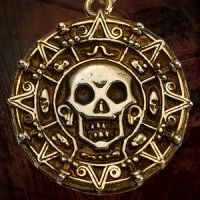
As we can see with the Hollywood representation of the Cortes gold, there seems to be a theme long after the departure of the conquistadors that all of the gold and other resources they stole is not something they could have completely gotten away with. In more recent years it has been reimagined that these items would have been cursed, since the native people had no other way of truly protecting themselves. Even in Williams' poem, she speaks of the idea of cursing the Spanish and having their decline not be in vain. It is some consolation for the Peruvian people that perhaps their decline may not be in vain. Additionally, the idea that the gold of Cortes was such a powerful idea is important as to why so many places were forced to deal with the greed of the Spanish. His fortune was even later a motivation for the British settlement of Jamestown.
This link talks more about conquistadors in general.
Discussion Questions
1. At the beginning of the poem, in the Genius speech, it talks very specifically about what the Spanish are doing by speaking specifically about their direct actions. Later, in the regular cantos, the focus is more on the effects the actions have by focusing the story line on the Peruvians. Why do you think Williams makes this change?
2. Why do you think Williams uses so many mythological beings, like Cora (one of the virgins of the sun) and the Peruvian Genius, to tell this story?
"Consum'd, and fading in its early prime.This exact part of the poem is actually Peruvia's Genius, meaning the "general character, spirit, of a nation or age" (56, footnote 2) speaking about the conquistadors. The "spirit" of Peru is upset with what the conquistadors are doing to her land. She is saying that because of the conquistadors the entire land has been consumed and will be gone in its early prime because of the Europeans. In addition, Peru hopes that the pleasure the Spanish get from ruining Peru will be tinged with drops of venom so that Peru is not destroyed in vain. The spirit of Peru even asks for vengeance at the beginning of her prayer when she calls for the "avenging spirits of the deep" (151) and later asks they to make the "condors stray" (162). She also wants the avenging spirits to "bid the stern foe retire with wild affright, / And shun the region veil'd in partial night...I read thy doom" (165-168).
But not in vain the beauteous realm shall bleed,
Too late shall Europe's race deplore the deed.
Region abhorr'd! be gold the tempting bane,
The curse that desolates thy hostile plain;
May pleasure tinge with venom'd drops the bowl,
And luxury unnerve the sick'ning soul" (170-176).
Clearly, the Peruvian Genius is displeased by what the conquistadors are doing and what they have done to Peru, which is a fairly common theme with the Spanish conquerers of the time. The Spanish have had a long history of exploring and taking from "new lands." As far back at 1519 Cortes was exploring Mexico and found gold in the Aztec Empire. His success was what inspired many others to go out and search for their own land to take riches, including Francisco Pizzaro, who is featured in the poem. He was basically in charge of Peru by 1533 and is one of the main people that Williams blames for the downfall of Peru.
| The idea of the gold of Cortes is so popular, it was the main concept in Pirates of the Caribbean. |
| Francisco Pizzaro |
This link talks more about conquistadors in general.
Discussion Questions
1. At the beginning of the poem, in the Genius speech, it talks very specifically about what the Spanish are doing by speaking specifically about their direct actions. Later, in the regular cantos, the focus is more on the effects the actions have by focusing the story line on the Peruvians. Why do you think Williams makes this change?
2. Why do you think Williams uses so many mythological beings, like Cora (one of the virgins of the sun) and the Peruvian Genius, to tell this story?
From Eighteen Hundred and Eleven to Peru: The Promise of 'Cultural Imperialism'
While Anna Laetitia Barbauld's poem Eighteen Hundred and Eleven discusses the physical decline of the British Empire, informing Britain that "Yes, thou must droop; thy Midas dream is o'er," (61) Barbauld offers a different form of immortality through, as Francesco Crocco refers to it in his critical essay, "The Colonial Subtext of Anna Letitia Barbauld's Eighteen Hundred and Eleven," cultural imperialism. Indeed, she notes in her last stanza that although "The worm is in thy core, thy glories pass away," (314) "-to other climes the Genius soars" (321). We see this idea expanded upon in Helen Maria Williams' poem Peru, where the bloodthirsty Spaniards colonize Peru and conquer the native Incas. Barbauld mentions Peru specifically in her poem as well, saying that "lo, even now, midst mountains wrapt in storm, / On Andes heights he shrouds his awful form" (323-324). At the time Peru was fighting in the Spanish American wars of independence, through which they sought to escape the tyranny of the Spanish Empire and become an independent entity. Thus Barbauld would seem to be endorsing their fight for independence, or at least criticizing the cruelty of the Spaniards, as she later swears that "thy world, Columbus, shall be free," (334) suggesting that through British culturalization of South America, its people (in this case, Peruvians) would be free from the needs of men like Columbus.
Although not part of the same conversation completely, since Barbauld discusses the culturally significant Britain and Williams ruthless Spain, Peru too seems to take a condemning stance on militarism and greed. However, Williams extends her narrative a bit farther by showing Peru as an already civilized landscape that need not be conquered by any 'culturally superior' powers, which here represented by the Spaniards, are themselves described as savage and barbaric. I found it interesting that Williams reinterpreted some of the historical 'facts' about the meeting between Atahuallpa and Pizarro (although we already know the cultural prejudice inherent in many of these travel narratives) in order to better fit her narrative. Perhaps this indicates Williams' unwillingness to believe and participate in the perpetuation of racial stereotypes.
Williams presents the landscape, animals, and people of Peru as cohesive, fertile, and happy, creating in the poem a beautiful and untouched Eden for her doomed Peruvians. She introduces the "lost Peruvia," where there "rose thy cultur'd scene" (3). As it mentions in the footnotes, by combining elements of civilized society with images of Eden and Paradise Lost, Williams creates a utopia where the fertility of nature and the intellect of man coalesce into something greater. This is a place where from abundant plant life, "Disease, and pain, and hov'ring death retires," (20) where even the bird "...seeks with fond delight the social nest / Parental care has rear'd, and love has blest," (35-36) and where men, "whose origin from glowing suns they trace; / And as o'er nature's form, the solar light / Diffuses beauty, and inspires delight" (58-60). Despite the exoticness of the Peruvian landscape and the Incas 'primitive' worship of the Sun, Williams combines these 'otherly' images in a way that makes them seem rather familiar and even superior to the British way of life. Like 19th century British society (or maybe not), these 16th century Incas form meaningful familial structures, fall passionately in love, have a stable and revered form of government and a matrimonial ceremony built around religious institution. As if to combat Britain's 'Genius' in Barbauld's poem, Williams' too establishes "Peruvia's Genius" (139) to show the unnecessary need for outside imperialism, whether cultural or militaristic. With the introduction of the Spaniards in the second cantos, Williams consistently uses images of blood, metal, and gold to depict, as the footnotes refer to it, "the rape of the virgin landscape" (pg. 57) by the deceptive Pizarro and his men.
For some quick context about the Spanish conquest of the Incan Empire, click here.
Discussion Questions:
1) In what way are Anna Laetitia Barbauld and Helen Maria Williams in conversation with each other on topics such as cultural and militaristic imperialism? On what points do they seem to agree and disagree?
2) How does Williams' interpretation of historical figures and events affect the image and story she wishes to portray?
Subscribe to:
Posts (Atom)
.jpeg)